The city and its surroundings

Pabillonis, a municipality in the north of the Province of South Sardinia, is located in the central Campidano region, bordering the province of Oristano, between the Marmilla and the Linas massif. A territory rich in history and traditions, with lands inhabited from the Neolithic to the present day. The town lies between the two rivers, the Riu Bellu and Riu Malu, which converge to form the Flumini Mannu (formerly called the “Rivus Sacer” by Claudius Ptolemy in the 2nd century AD).
The Pabillonis area is rich in a precious clay, which still boasts important characteristics today.
The town was nicknamed “sa bidda de is Pingiadas” (town of terracotta pots) for its remarkable craftsmanship in terracotta, particularly for pots, jugs, pottery, and other utensils that have become symbols of authentic cuisine, traditional souvenirs, and artistic ceramics. In Via Sardegna, there is the characteristic monument “Is Pingiadas”.
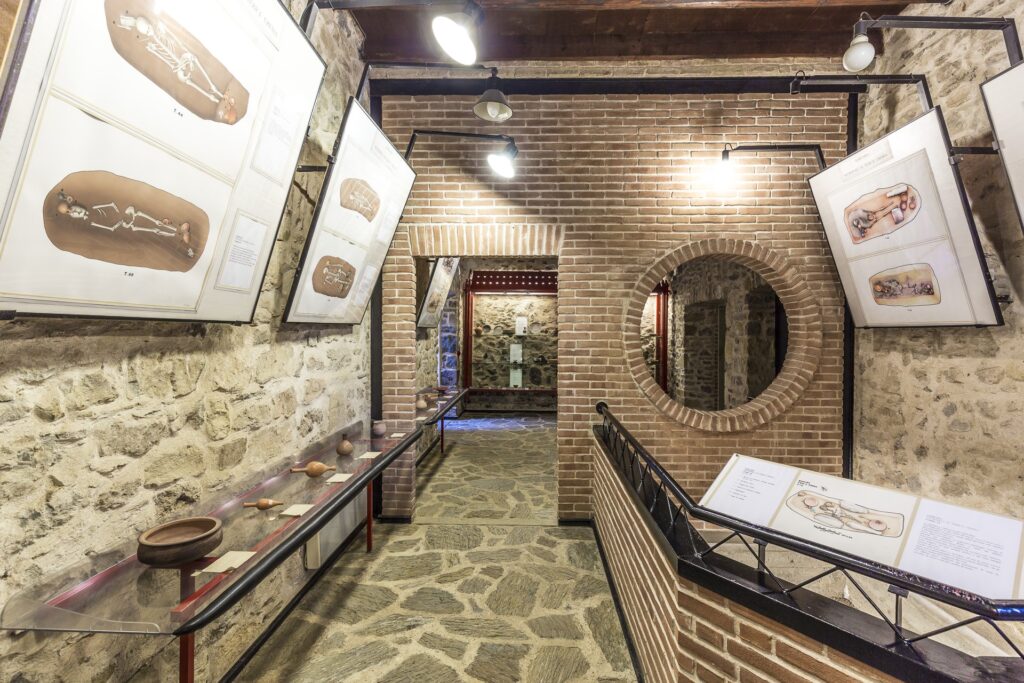
The local economy is fundamentally linked to agriculture, livestock farming, and its traditions. The Nuragic civilization has left behind numerous relics, now being studied and promoted through the Pabillonis Archaeological Park.
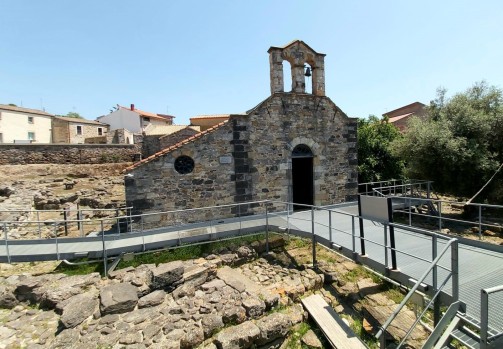
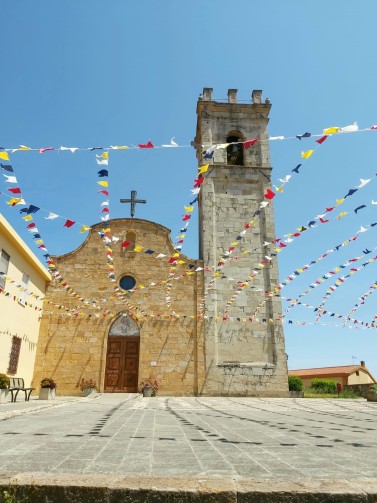
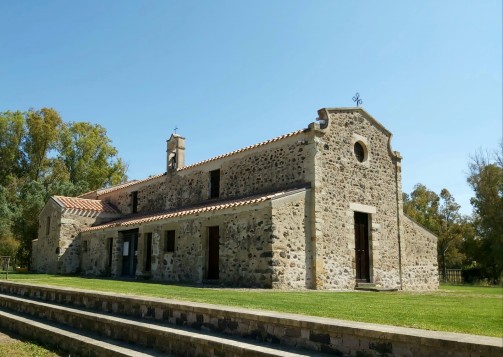
Within the town, the two historic churches deserve special attention. The 16th-century Parish Church of the Blessed Virgin of the Snows, and the 13th-century Church of San Giovanni Battista, whose celebrations showcase the community’s popular traditions, are also worth a visit.
Two ancient, traditional earthen dwellings (domus de ladìri) have been renovated and are now accessible: the Casa Museo and the Casa Matta.
The Municipality of Pabillonis is a member of the Association of Raw Earth Cities, the Union of Municipalities of the Campidano Lands, and the Campidano Regional Development Fund.

Agriculture and livestock farming in Pabillonis

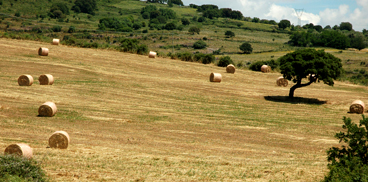
The rural area of ​​Pabillonis is characterized by flat, fertile land, suitable for growing different varieties of onions: golden, white, and Tropea. Large tracts of melons and watermelons, known for their sweet flavor, are also cultivated.
There are also large crops of rotational cereals and legumes, such as high-quality chickpeas, now only available from farms.
In Pabillonis, there were several farms with large numbers of cattle and fattening calves, owned by various families. Over time, cattle farming has declined significantly, replaced by sheep. Oggi Pabillonis è il secondo paese con più capi della Sardegna.

Associazione Internazionale Città della Terra Cruda.

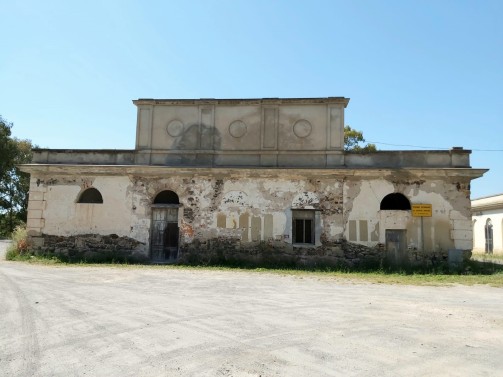
Pabillonis is one of 40 countries that have joined the International Association of Raw Earth Cities. The association promotes the heritage and values ​​of the territories that belong to this culture, as an expression of identity, promoting and encouraging all forms of recovery of materials, architecture, and landscapes linked to raw earth. Pabillonis itself boasts many small gems in the panorama of public and private earthen buildings.