Welcome to Pabillonis!

The beating heart of the Campidano plain and a land of ancient traditions, authentic craftsmanship, and sincere hospitality.

Pabillonis, a municipality in the north of the Province of South Sardinia, is located in the central Campidano region, bordering the province of Oristano, between the Marmilla and the Linas massif. A territory rich in history and traditions, with lands inhabited from the Neolithic to the present day. The town lies between the two rivers, the Riu Bellu and Riu Malu, which converge to form the Flumini Mannu (called in ancient times “Rivus Sacer” by Claudius Ptolemy in the 2nd century AD).

Welcome to a country that still knows how to surprise.

The Pabillonis area is rich in a precious clay, which still boasts important characteristics today.

The town was nicknamed “sa bidda de is Pingiadas” (town of terracotta pots) for its remarkable craftsmanship in the working of terracotta, particularly pots, jugs, crockery, and other utensils that have become symbols of authentic cuisine, traditional souvenirs, and artistic ceramics. In Via Sardegna, there is the characteristic monument “Is Pingiadas”.

Is Arroderis

Is Arroderis, tamers of Fire. Generations that follow one another, generations in comparison, new pyrotechnics. A proud tradition, experience, dedication, hard work and magic. Is Arroderis di Pabillonis create unique works of art and illuminate the nights of Sardinia, Europe, and the world. Pabillonis is the capital of Fireworks.

The Archaeological Park

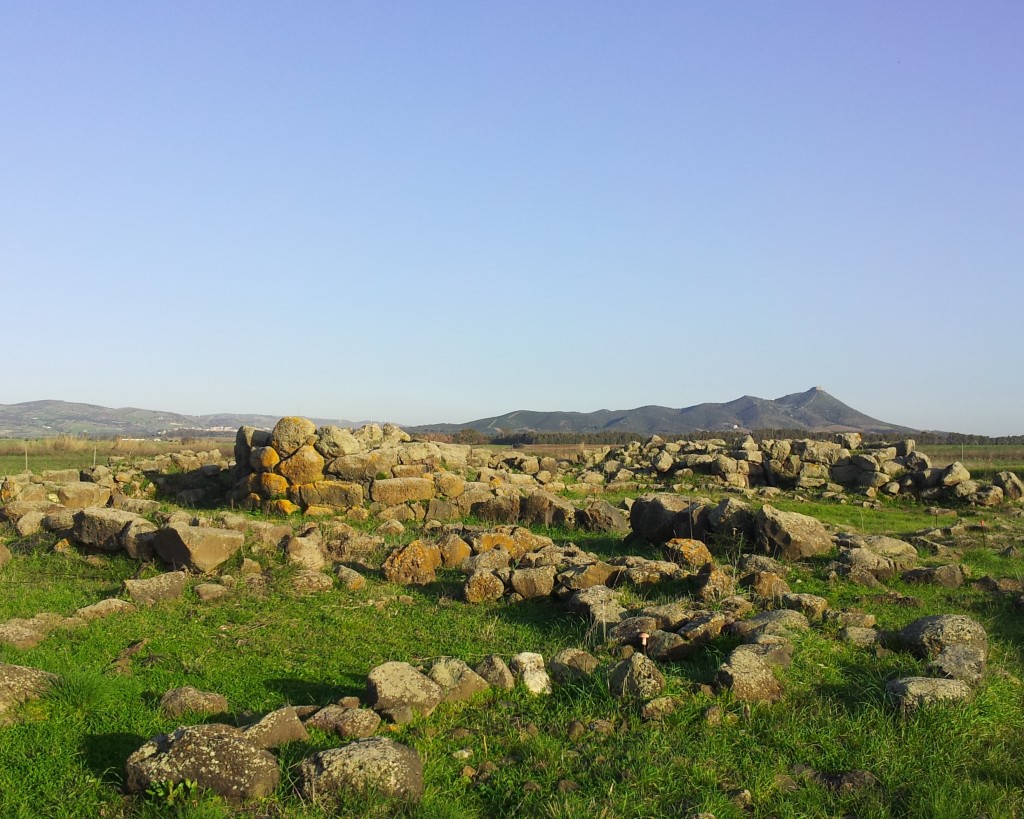
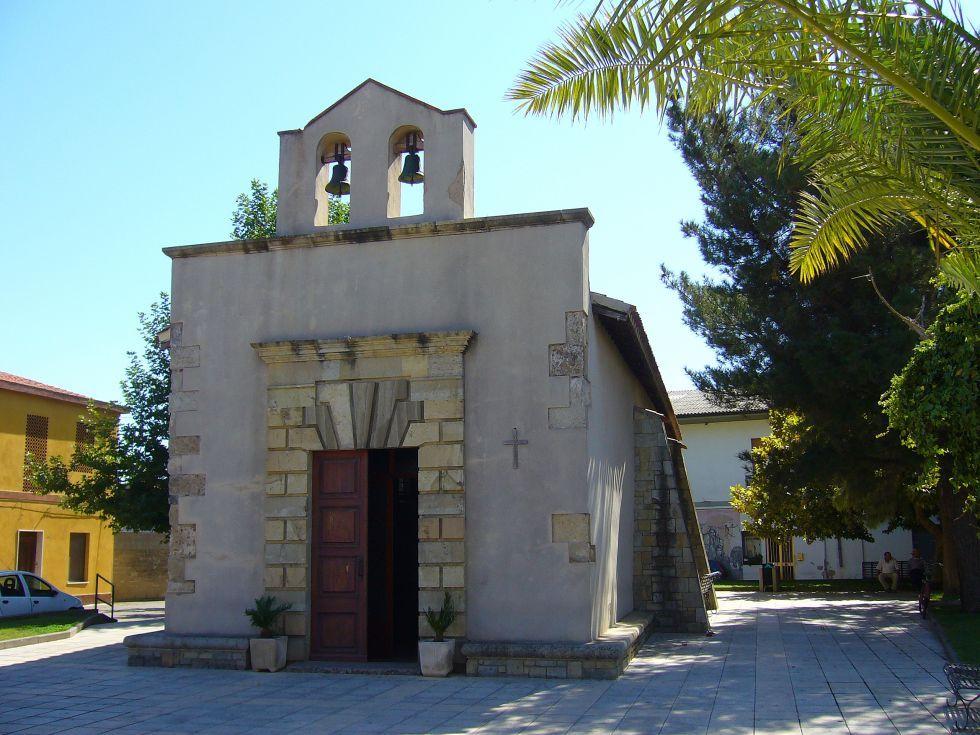
In 2018, the “Pabillonis Archaeological Park” was established, a strategic choice by the municipal administration. This integrated development model places the archaeological site at the center of a territorial system, aiming to enhance its historical values ​​and connect it to the area’s other attractions: nature, the rural landscape, waterways, typical fauna, the historic center, the House Museum, the Casa Matta, the churches, the community and its traditions. A beautifully integrated cycle/pedestrian route has been created to complement the route, allowing cycle tourists, as well as hikers and horseback riders, to explore the beauty of our country.

Where to Sleep

Where to eat

What to do